How Long Is Open Enrollment for Health Insurance in 2027?

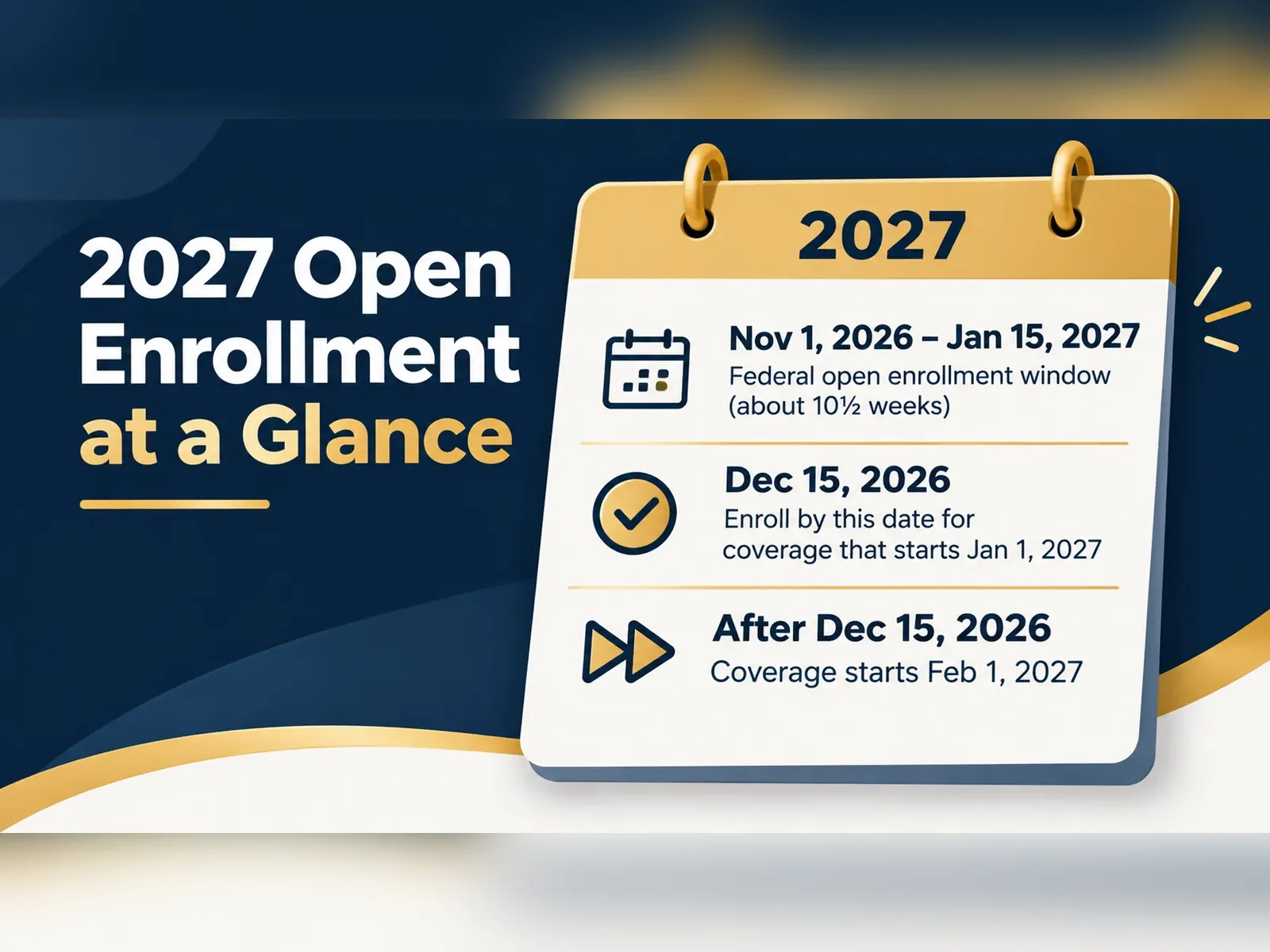
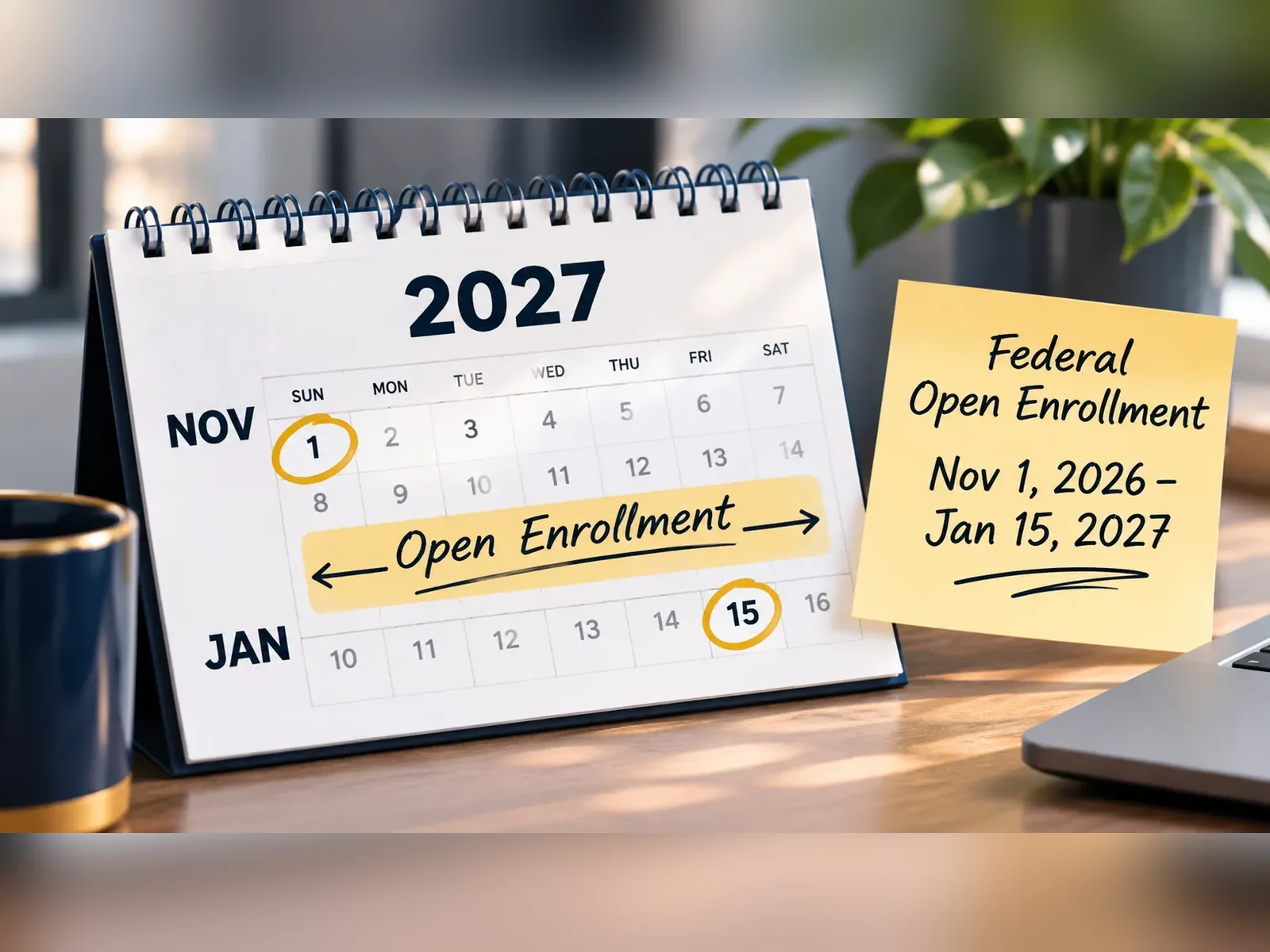
Most people don’t think about open enrollment until the day after it closes. That’s the trap. How long is open enrollment for health insurance in 2027? For most of the country, it’s a window of about ten and a half weeks, running from November 1, 2026 to January 15, 2027.
Miss it, and you’re stuck with whatever plan you have until next year. That’s true even if your premium doubles or your favorite doctor drops off the network partway through.
We’re The Benefits Boss, and we spend every day comparing carriers across all 50 states so people don’t end up in that position. If your coverage feels overpriced or your options feel limited, this is the year to actually compare them.
Key Takeaways
- Federal marketplace open enrollment for 2027 coverage runs November 1, 2026 to January 15, 2027, with several states extending into late January.
- Enroll by December 15, 2026 for coverage starting January 1, 2027. Enroll after that, and coverage starts February 1, 2027 instead.
- Missing the deadline usually means waiting a full year, unless a qualifying life event triggers an exception.
- Premiums are rising roughly 14% nationwide for 2027, and people who don’t qualify for a subsidy pay that increase in full.
- Private health insurance plans are available year-round and don’t require waiting for open enrollment at all.
How Long Is Open Enrollment for Health Insurance?
The honest answer depends on where your coverage comes from. How long is open enrollment for health insurance through the federal marketplace? Exactly ten and a half weeks, from November 1, 2026 through January 15, 2027.
State-run marketplaces set their own calendars. Employer plans run on an entirely different clock. And here’s the detail most guides skip: the date that actually matters isn’t the final deadline. It’s the enroll-by date for the coverage start you actually want.
Enroll by December 15, 2026, and coverage starts January 1, 2027. Wait past that, and you’re looking at a February 1 start date instead, which means a full month without the plan you picked.
Federal Marketplace Enrollment Window
Roughly 30 states rely on HealthCare.gov, and all of them share the same federal window: November 1, 2026 to January 15, 2027.
That’s shorter than a lot of people assume. Ten and a half weeks sounds generous until the holidays land right in the middle of it, and suddenly you’ve got three weeks left and a dozen plans you haven’t looked at yet.
Employer-Sponsored Enrollment Window
Employer open enrollment is a different animal entirely. Your company sets its own dates, and most windows run just one to two weeks sometime in November or early December.
If that window is closing and the options on the table don’t fit your budget or your doctors, you’re not actually stuck. Marketplace plans and private plans both exist for exactly this moment, and neither one cares what your employer decided to offer this year.
2027 Open Enrollment Deadlines by State
Here’s something most competitors bury or skip entirely: there is no single national deadline. The federal government tried to standardize every state to one uniform December 31 cutoff starting in 2027. A court blocked it.
So the patchwork of state exceptions that’s existed for years is still very much alive. Knowing your 2027 open enrollment dates by state matters more than most people realize, especially if you’re moving or splitting time between two states.
States With Extended January Deadlines
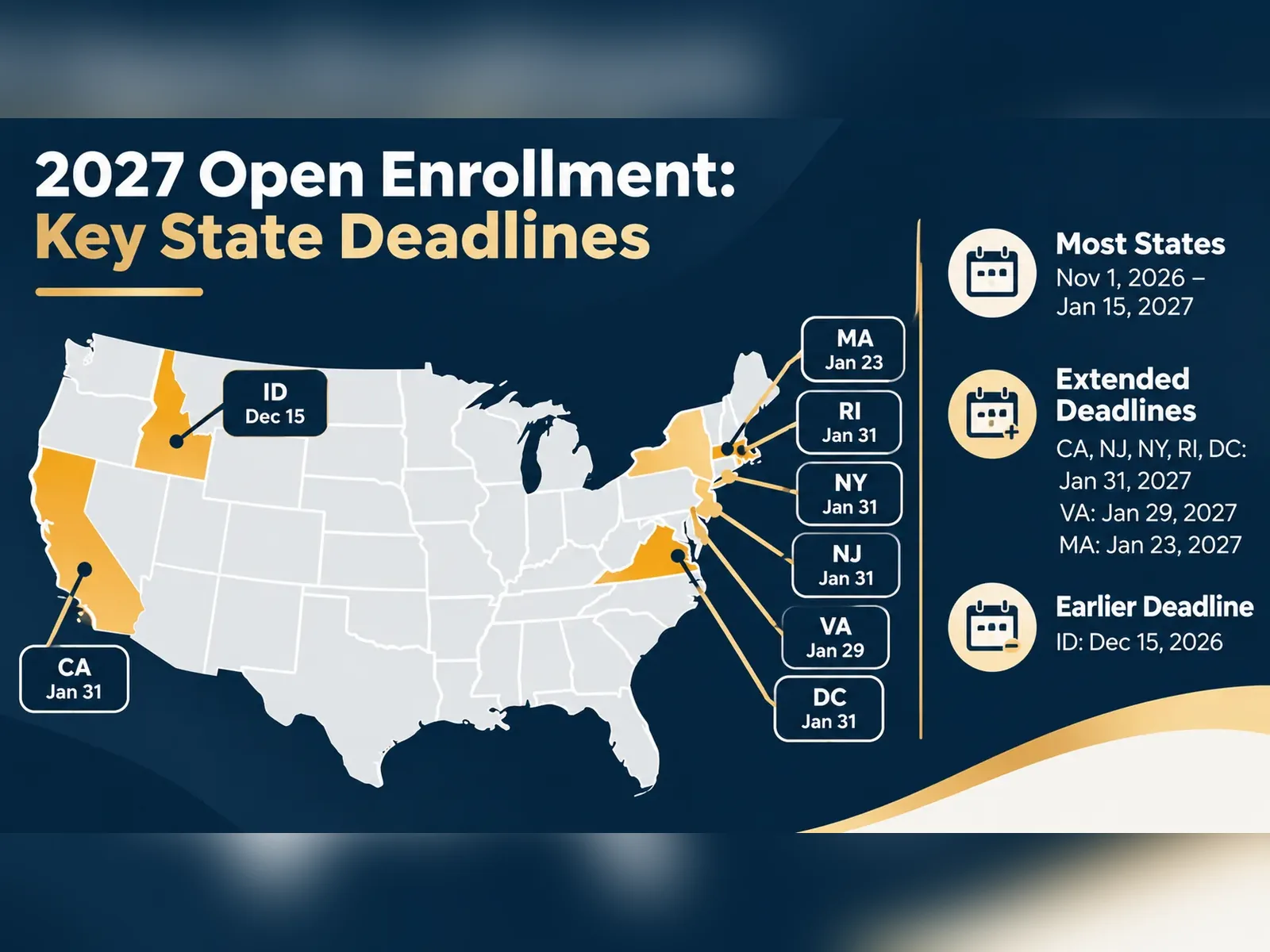
California, New Jersey, New York, Rhode Island, and Washington, D.C. all run their marketplaces through January 31, 2027. Virginia closes January 29, and Massachusetts closes January 23.
Enroll during that extended window, and your coverage typically starts February 1. That’s a genuine advantage if you’re still comparing plans in early January and everyone else has already lost their shot.
States With Earlier Deadlines
Idaho closes the earliest of anyone, cutting off on December 15, 2026, a full month ahead of most other states. Connecticut and Massachusetts also open earlier than everyone else, starting in late October instead of November 1.
If you live in one of these states, write the date down now. There’s no grace period waiting for you on the other side of it.
What Happens if You Miss the Open Enrollment Deadline?
Missing the deadline isn’t the end of the world, but it’s close. In most cases, you’re locked out of marketplace coverage until the next annual window rolls around, a full twelve months away.
The only exception is a special enrollment period triggered by a qualifying life event. A lot of people assume they’re simply out of luck and stop looking for options entirely.
That’s usually the wrong move. A quick conversation can tell you in minutes whether you actually qualify for an exception, rather than assuming the worst and going uninsured for a year. If you’re not sure where you stand, reach out to our team before you write off the year completely.

How Long Is Open Enrollment for Health Insurance After a Qualifying Life Event?
How long is open enrollment for health insurance once you’ve had a qualifying event? It depends entirely on the event itself.
Lose your job or another source of coverage, and you typically get 60 days before and 60 days after that event to enroll or change plans. Get married, have a baby, or move permanently to a new coverage area, and you get 60 days after the event, full stop, with no lookback window.
Employer plans play by their own rules too, but federal law requires them to offer at least a 30-day window of their own. Miss that window, and you’re right back to waiting for the next open enrollment period like everyone else.
What Is Changing for Open Enrollment in 2027?
The system isn’t static, and 2027 brings real changes that most people won’t hear about until their renewal notice shows up.
Premiums are rising an average of 14% nationwide, with some states seeing increases nearing 28%. The out-of-pocket maximum is climbing too, from $10,600 to $12,000 for an individual. If you want to see what that actually means for your own costs, our out-of-pocket estimator runs the math in about two minutes.
Insurers are exiting the marketplace in nearly half the states on top of all that. A lot of people will open their renewal letter this fall and discover their current plan simply doesn’t exist anymore. None of this gets announced with much fanfare. It just shows up in the fine print.
Why Open Enrollment Matters More if You Don’t Qualify for a Subsidy
If your household income sits above the subsidy threshold, that 14% premium jump isn’t softened by anything. You pay the full increase, dollar for dollar, with no tax credit to absorb the hit.
This is exactly where comparison shopping stops being optional. We compare every major carrier across all 50 states with zero brokerage fee to you, since carriers pay us, not the other way around.
If you’re not sure where your income actually lands, run your numbers through our subsidy calculator before you assume you’re stuck paying full price. It takes less time than reading your renewal letter.
Marketplace Plans vs. Private Health Insurance Plans: Which Is Right for You?
Marketplace plans come with one real advantage: subsidy eligibility, if your income qualifies. The tradeoff is that you’re locked into enrolling during open enrollment or a special enrollment period, full stop, no exceptions.
Private health insurance plans work differently. They’re available year-round, with no waiting for a window to open. That matters a lot if your needs change in March or your current plan stops covering your doctor in June.
They won’t come with a subsidy, but for higher earners who aren’t getting one anyway, that’s not actually a loss. See how ACA marketplace coverage stacks up against private plan options before you default to whatever auto-renews onto your account.
Open Enrollment Tips for Self-Employed Professionals and Early Retirees
If you’re self-employed, your income fluctuates, and that changes your subsidy math every single year. Re-running your estimate each open enrollment season, rather than assuming last year’s number still applies, is the single most useful habit for anyone navigating self-employed health insurance decisions.
Early retirees face a different puzzle entirely. The real work is bridging the gap between leaving an employer plan and turning 65 for Medicare.
COBRA is the default most people fall into, but it’s rarely the cheapest option. Comparing it against a private plan before committing is worth the twenty minutes it takes, and good early retirement health insurance planning starts with that comparison, not after you’ve already paid a few months of COBRA premiums. If you want a faster read on what actually fits your situation, take our two-minute plan quiz and see what it surfaces.

Frequently Asked Questions About 2027 Open Enrollment
A few quick answers to the questions we hear most during this season. For anything we don’t cover here, our full FAQ page has more.
Do I Have to Re-Enroll in Health Insurance Every Year?
Not technically. Most plans auto-renew if you do nothing.
But premiums, networks, and coverage details all shift year to year. Letting a plan auto-renew without checking it first is how people end up overpaying without ever realizing it happened.
Can I Change My Plan After Open Enrollment Ends?
Only if a qualifying life event gives you access to a special enrollment period. Outside of that, your plan is locked in until the next annual window opens, no matter how your situation changes mid-year.
What Is the Difference Between Open Enrollment and Special Enrollment?
Open enrollment is the one guaranteed window every year when anyone can sign up or switch, no explanation required.
Special enrollment only opens up outside that window, and only if a specific life event triggers it. Think of open enrollment as the rule and special enrollment as the narrow exception.
Get Expert Help Choosing the Right Plan for 2027
Open enrollment doesn’t wait for anyone to feel ready. We work with every major carrier in the country, charge zero brokerage fee, and put a licensed advisor on the phone with you instead of a script.
No pressure, no upsell, just a real comparison of what’s actually available for your situation. See what that’s looked like for other clients who’ve gone through it before you decide.
If you’re approaching this year’s deadline without a plan you trust, book your free consultation and get it sorted before the window closes.
Written by Marco
Licensed Coverage Advisor at The Benefits Boss